
Strategy and Execution Inside Insurance
Insurance organisations rarely suffer from lack of effort.
They suffer from layered systems, regulatory reporting burden, and operational drag between underwriting, technology and operations.
Strategy does not stall because it lacks ambition
It stalls because execution fragments across data, systems, and governance.
Unlike banking, insurance transformation cycles are longer and more operationally layered.

Rework from Misalignment
System Hand-offs per Claim
Active Change Initiatives
Bordereaux Reconciliation Effort
The Problem
Where Strategy Breaks in Insurance
Across carriers, brokers and reinsurers, the patterns are consistent.
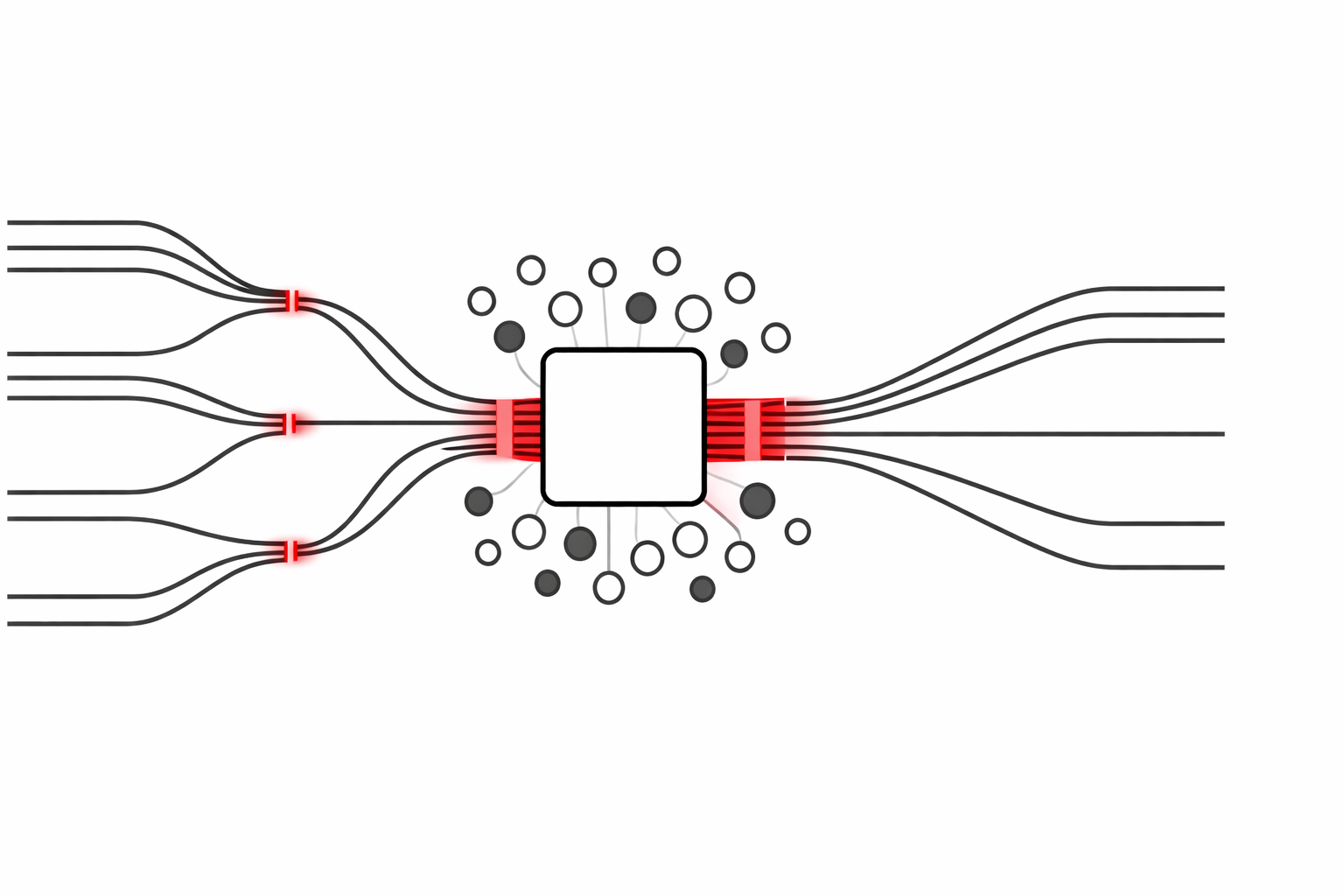
Data Fragmentation
Multiple policy systems.
Manual bordereaux processing.
Reconciliation as a structural habit.
This increases cycle time and hides true constraint.
Programme Proliferation
Digital transformation.
Core system replacement.
AI initiatives.
Regulatory change.
The list goes on… all running in parallel, meaning portfolio load exceeds delivery capacity.
Alignment Without Throughput
OKRs exist.
Transformation offices exist.
But work-in-progress remains unconstrained.
As a result, coordination overhead spirals out of control.
AI Without Governance Architecture
AI use cases multiply.
Few are integrated into underwriting, pricing, or claims in a ways that reduces systemic friction.
Disciplined Intervention Points
We work at leadership altitude to ensure the correct interventions are applied that actually deliver the results insurance organisations need:
- Positioning
- Alignment
- AI Integration
- Portfolio Constraint
Applied together in a coherent manner, these mechanisms reduce rework and improve strategic movement without increasing programme load.
Typical Engagement Patterns in Insurance
Strategic Coherence Across Functions
Aligning underwriting, technology and operations around explicit trade-offs rather than parallel transformation tracks.
AI Integration with Governance Discipline
Identifying use cases that reduce systemic friction rather than increase compliance overhead.
Portfolio Constraint
Applying WIP discipline and economic prioritisation to reduce initiative sprawl.
Data & Flow Clarity
Mapping where rework and reconciliation enter the system and correcting at source.
Selected writing related to Insurance
Read more on the work we do that has relevance to organisations within the Insurance domain .

- Strategy Coherence
How Long Does OKR Implementation Take? A Realistic Timeline
- Strategy Coherence
OKR Implementation Cost: What a 40-Person Company Should Budget
- Flow & Portfolio
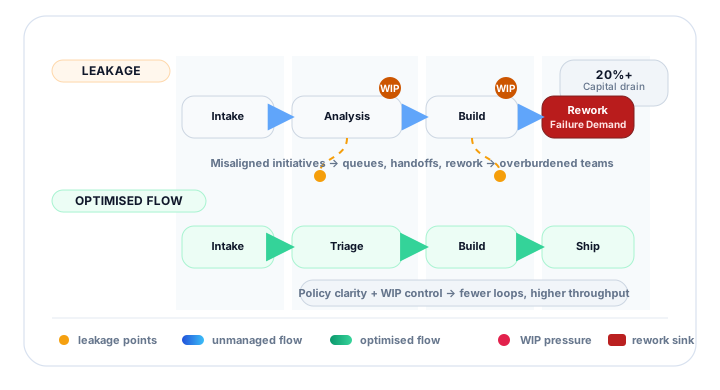
Failure Demand – What it is and how to avoid it
- Flow & Portfolio
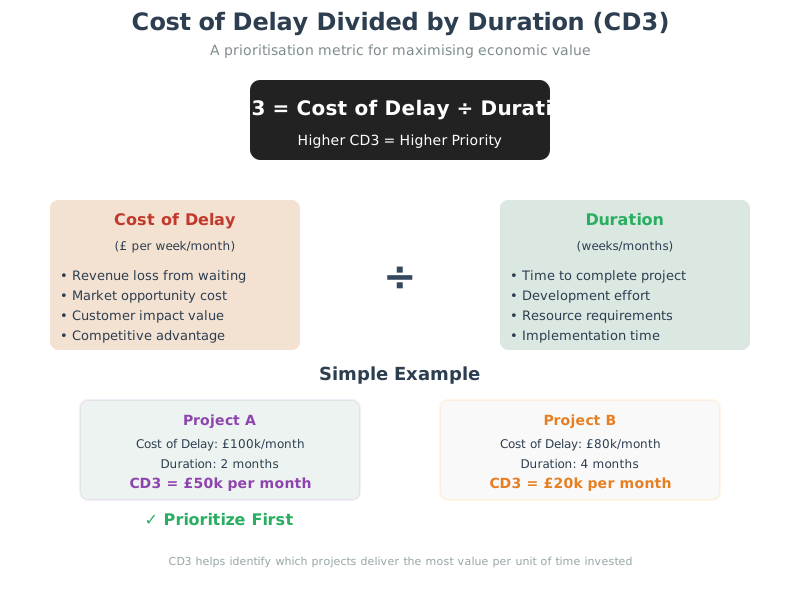
Cost of Delay (CD3) explained (and why you should care)



Designed for Insurance Leaders Under Structural Constraint
This work is designed for insurance leaders operating inside structural complexity – where underwriting, operations, technology and regulatory reporting intersect.
This is for…
- COOs managing multi-year transformation across underwriting and claims.
- CIOs navigating core platform replacement and data consolidation.
- Chief Underwriting Officers seeking AI integration without increasing risk.
- Transformation leaders facing initiative overload and coordination drag.
This is not for…
- Organisations seeking scaled agile rollout support.
- Teams looking for tooling implementation or vendor selection.
- Leaders wanting a strategy deck without structural change.
- Programmes focused solely on short-term efficiency gains
Start With Structure
Execution failure in insurance is rarely motivational.
It is architectural.
Book a Strategy CallPrefer to talk first?
+44 20 8088-5705